
Overview
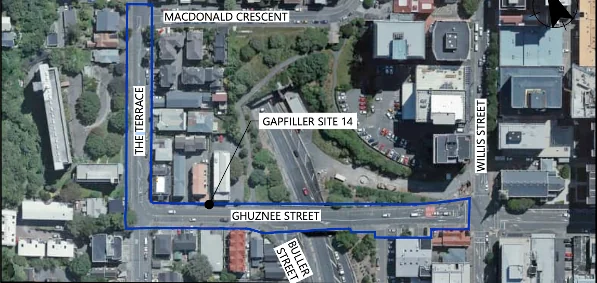
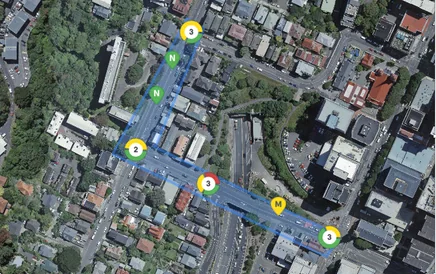
WCC asked TTAP to conduct Safe System Audits on a batch of cycle-network improvement designs. The audits assessed feasibility of proposed drawings, identified safety hazards, reviewed crash data on each corridor, confirmed the level of safety risk, identified possible improvement measures, and provided a risk-rating assessment.
What we found
Common issues across the cycle network included dooring exposure on narrow inner-city corridors, cyclists weaving through traffic where dedicated infrastructure was discontinuous, limited passing space, and uneven pavement transitions at intersection treatments. Each audit finding was matched with a specific design or intervention recommendation.
Outcome
The Safe System Audits gave WCC a defensible safety case for each location’s design decisions, plus an explicit risk register that informed value-engineering decisions during detailed design without compromising the safe-system goals.
Team
Bob Hu (Managing Director / Principal Traffic Engineer) chaired the audit panel. Simon Cager (Principal Project Engineer) led the on-site audit assessments across each location. Charles Agate (Senior Assets Engineer / Traffic Management Specialist) led the traffic-management and risk-rating workstream.
For Safe System Audits on your cycle network, talk to us.